Before you close: what a Phase One environmental assessment actually reads
A Phase One is mostly reading, asking and walking the property. Here is what goes into it and what it tells you.
October 27, 2026 · 3 min read
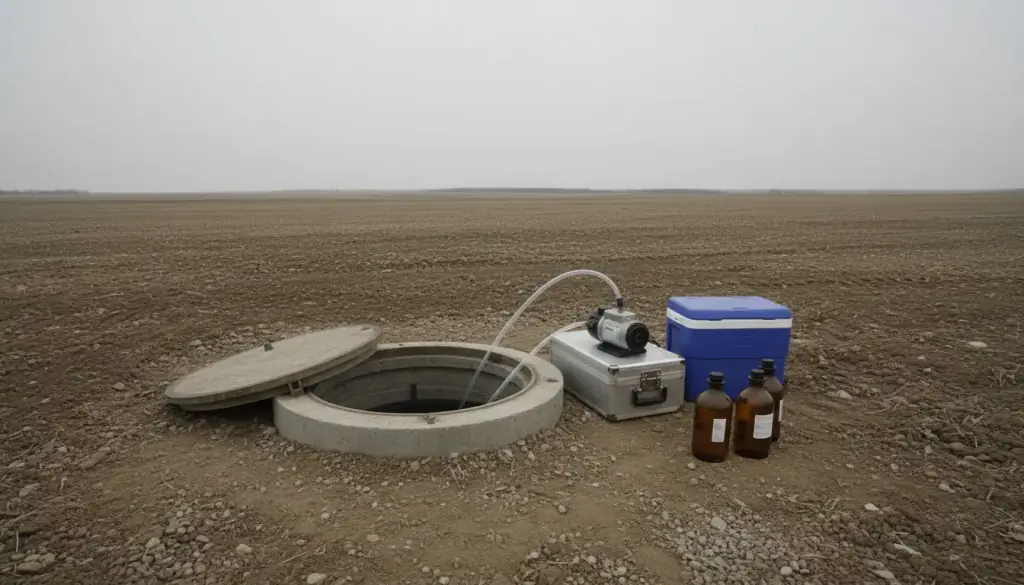
A Phase One environmental site assessment is mostly reading, asking and walking. Nobody drives a drill rig onto the property. The point is to learn what the land and the buildings on it have been used for, and whether any of that use could have left contamination behind. If you are buying a commercial lot, an old industrial building, a farm parcel or a house on a corner that used to be something else, that history is part of what you are paying for.
Indevcon Inc. in DeKalb runs these assessments, and its people say they have trained to go beyond ASTM standards for the work. This is what the assessment covers, in plain terms.
The history of the ground, not just the building
The first job is a timeline. Who owned the property, what stood on it, and what happened on the lots around it. A dry cleaner, a filling station, a machine shop, a printing plant or a rail spur next door can matter as much as anything on your own parcel, because contamination does not stop at a property line. Old maps, aerial photographs, directories and records of past use all help build the picture. A quiet empty lot today may have a very different past.
The walk through the property
Then someone goes and looks. The site visit takes in the land and the physical improvements on it: the structures, floors, drains, storage areas, and anything else that was built. The assessor watches for stained soil or pavement, drums and containers, floor drains, pipes sticking out of the ground that hint at a buried tank, stressed vegetation, and fill that does not match the rest of the lot.
A Phase One also looks inside the buildings. In Indevcon's assessments that means:
- Asbestos-containing materials in the structure
- An inventory of hazardous substances stored or used on the property
- Mold or mildew
- Lead-based paint
- The historical background of the property and its surroundings
What the report is, and what it is not
The result is a written assessment that identifies potential or existing environmental contamination liabilities for the land and for the improvements on it. The word to notice is potential. A Phase One tells you where there is a concern. It does not measure one, because nothing has been sampled yet. It is a judgment built from records and observation, and a good one is specific about which concerns are real and which are only possible.
When a Phase Two follows
If the Phase One suggests the site may be contaminated, a Phase Two may be needed. This is where sampling starts. A Phase Two collects original samples of soil, groundwater or building materials and has them measured for contaminants such as petroleum hydrocarbons, heavy metals, pesticides, solvents, asbestos, lead and mold. The work can include soil and groundwater borings, construction of monitoring wells, and sampling of suspect building materials, paint chips and surfaces inside a structure.
A Phase Two answers the question the Phase One could only raise: is something there, and how much. If the results show a problem, a Phase Three works out how far the contamination reaches and designs the cleanup, weighing cost and logistics to find the most effective way to restore impacted soil and groundwater.
Questions worth settling before you order one
- What is the property used for now, and what do you plan to use it for? A change in use changes which concerns matter.
- Does anyone know of old tanks, drums, spills or fill that was brought in?
- Is there an older boiler room, floor tile or pipe insulation that you plan to disturb?
- Who needs to see the finished report, and when does it have to be in their hands?
Real estate agents, brokers, bankers and investors who handle property transfers often want these answers early, because an environmental surprise found after closing is a much harder conversation than one found before. What a particular lender, buyer or transaction requires varies, so ask about the requirements for your property and your deal rather than assuming.
Call first
Indevcon says it has managed projects from single-family homeowners to industrial work over $150,000, so the size of your property does not change the first step, which is a conversation. Call Glenn at (815) 758-6896 for a free estimate, or write to glenn@indevcon.com.
Indevcon Inc., (815) 758-6896
Call (815) 758-6896More articles
A musty basement or a damp attic: what mold testing measures, and why the water matters more
You can scrub a stain away in an afternoon. If the water that fed it is still there, the stain returns.
Floor tile, black mastic and pipe wrap: where asbestos still hides in an older building
You cannot identify asbestos by looking at it. You can find out before the demolition starts.